
Transform Your Evening Meals Into Nutritious Masterpieces
Discover how thoughtful cooking techniques and whole-food ingredients can turn your dinner table into a celebration of wellness and flavor. Learn from our community of home cooks who are reshaping their relationship with food.
The information on this site is for educational purposes only and does not constitute medical advice. Always consult a qualified healthcare professional before making health decisions.
Featured Healthy Dinner Recipes
Explore our curated collection of dinners that balance nutrition, flavor, and simplicity. Each recipe has been tested and refined by our community of wellness-focused cooks.
Mediterranean Herb-Roasted Salmon
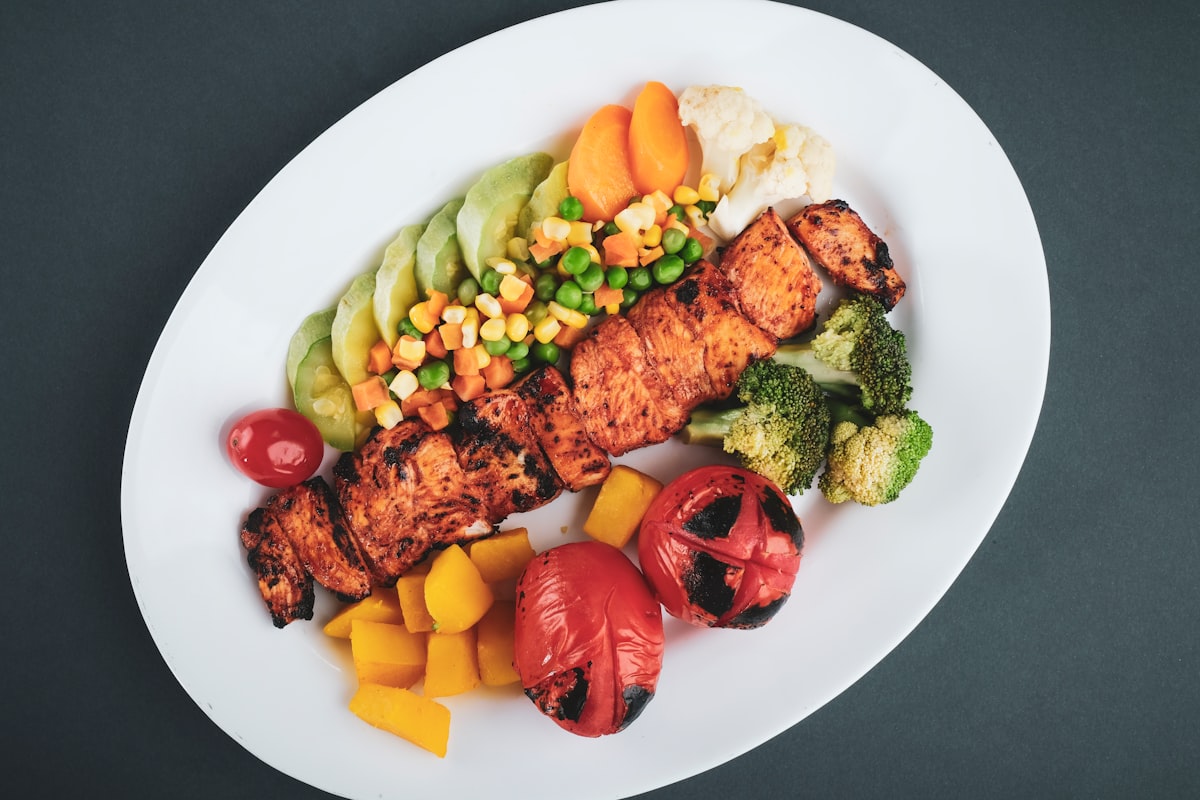
Discover how simple roasting techniques can unlock the natural flavors of quality salmon. This dinner pairs omega-rich fish with vibrant seasonal vegetables for a complete evening meal that feels both nourishing and indulgent.
Rainbow Buddha Bowl with Quinoa
Build balanced, colorful dinners with whole grains, leafy greens, and roasted roots. Learn how to compose grain bowls that keep you satisfied and energized through the evening, with layering techniques that maximize both nutrition and appeal.
Slow-Simmered Lentil Stew
Master the art of building depth and warmth through patient cooking. This one-pot dinner showcases how lentils become tender, creamy, and deeply satisfying when combined with aromatics, herbs, and vegetable stock in a single vessel.
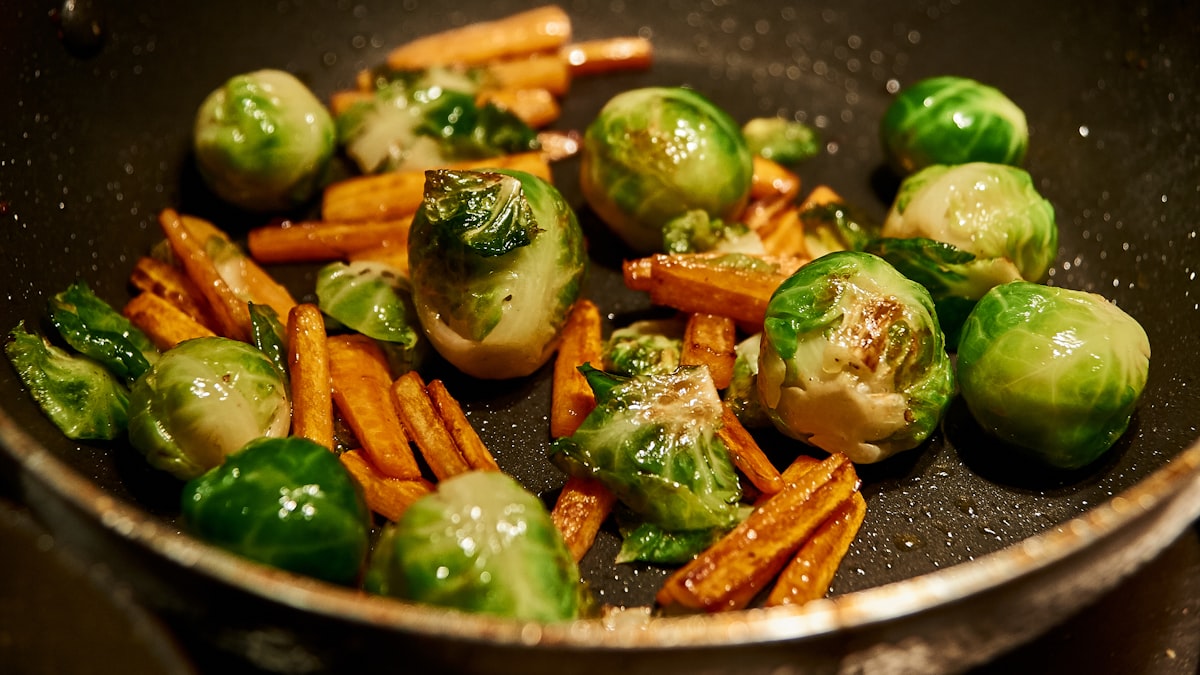
Sheet Pan Chicken With Roasted Vegetables
Experience how a single sheet pan can become your canvas for lean protein and vegetable medleys. Learn seasoning strategies and timing that ensure perfectly cooked chicken alongside caramelized, nutrient-dense vegetables.
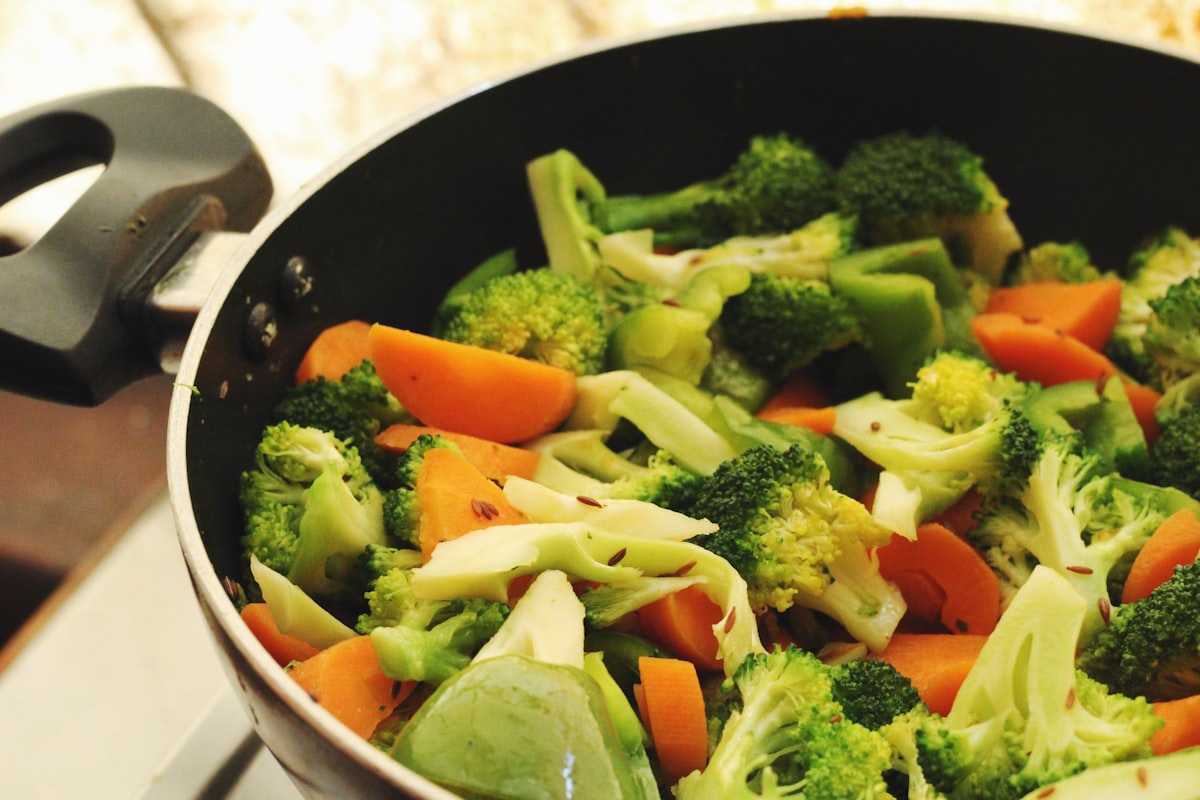
Zucchini Noodles With Fresh Pesto
Explore plant-forward pasta alternatives that deliver freshness and nutrition. Understand how to properly prepare and cook zucchini noodles to maintain their delicate texture while creating vibrant, herb-forward sauces.
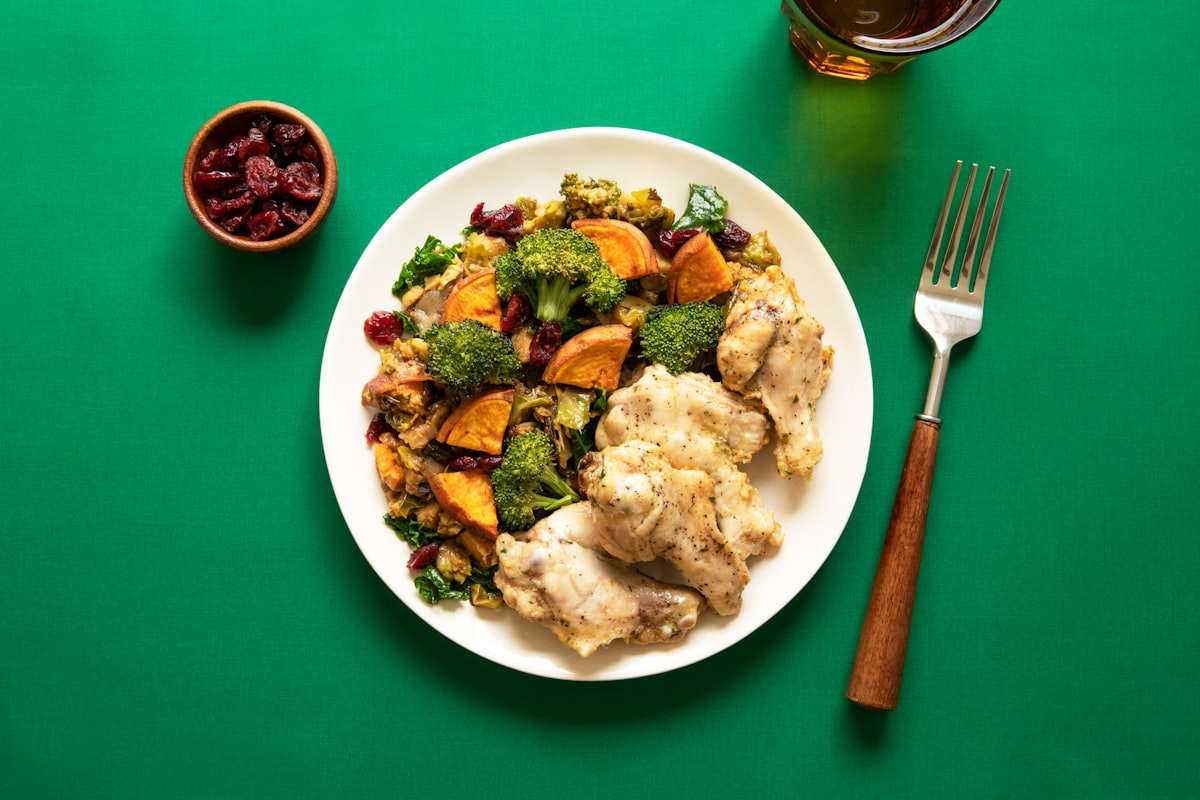
Curry-Spiced Chickpea & Sweet Potato
Discover how warming spices and layered flavors can make plant-based dinners unforgettable. This curry teaches you traditional spice-blooming techniques and how to build creamy, satisfying sauces from coconut milk and aromatics.
Why Healthy Cooking Matters
The act of preparing your own meals is one of the most powerful decisions you can make for your wellbeing. When you cook at home, you gain complete control over ingredients, portion sizes, and cooking methods — turning dinner into an intentional act of self-care rather than a rushed necessity.
Beyond the personal benefits, understanding how to cook well opens a door to culinary confidence. You move beyond following recipes to understanding fundamental techniques: how heat transforms vegetables, why timing matters for texture, how to season for maximum flavor without excess salt, and how to compose meals that satisfy both hunger and nutrition.
Our community believes that everyone can develop cooking skills. Whether you're starting fresh or building on existing knowledge, learning to prepare nourishing dinners is an investment in your health, your family's health, and your own sense of mastery in the kitchen.
Your Journey to Cooking Excellence
Follow these foundational steps as you develop your skills in healthy dinner preparation and transform your kitchen into a space of creativity and nourishment.
Understand Your Pantry
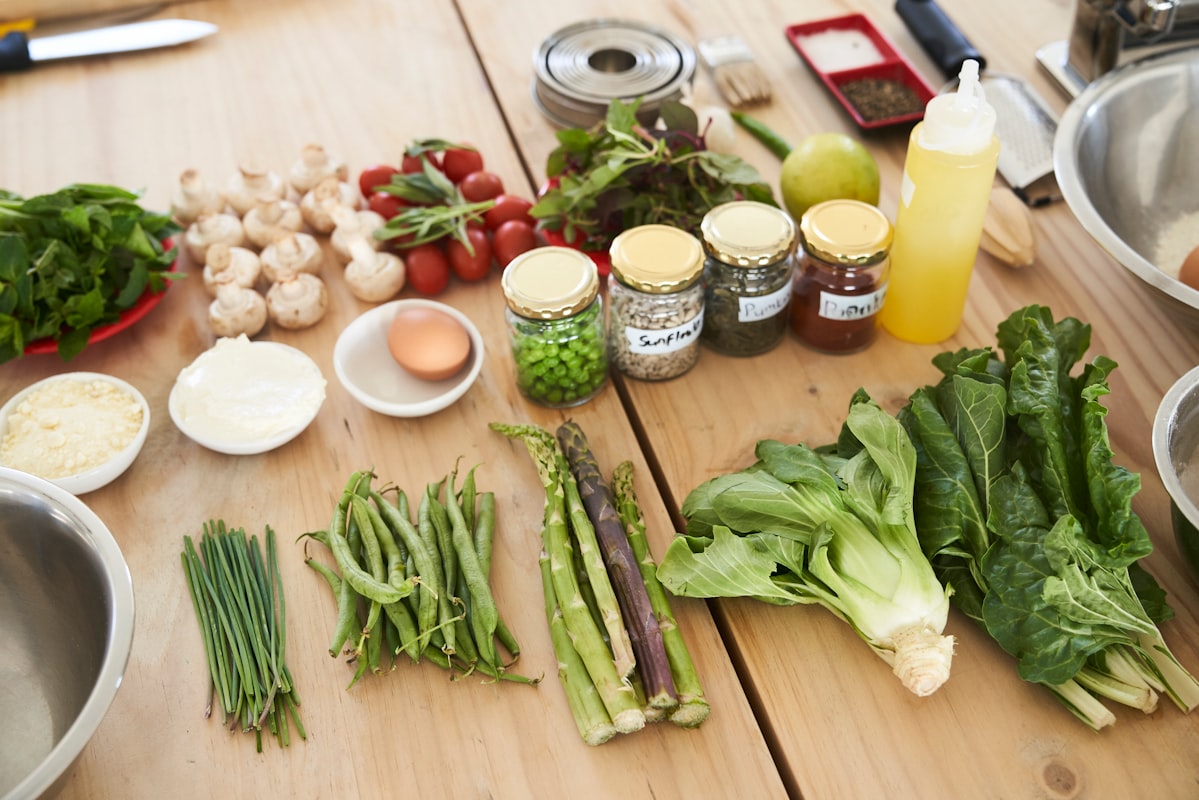
Begin by learning which whole foods and quality ingredients form the foundation of nourishing dinners. Stock your pantry with whole grains, legumes, herbs, spices, and quality oils. Understanding what you're working with creates confidence in your cooking choices.
Master Core Techniques
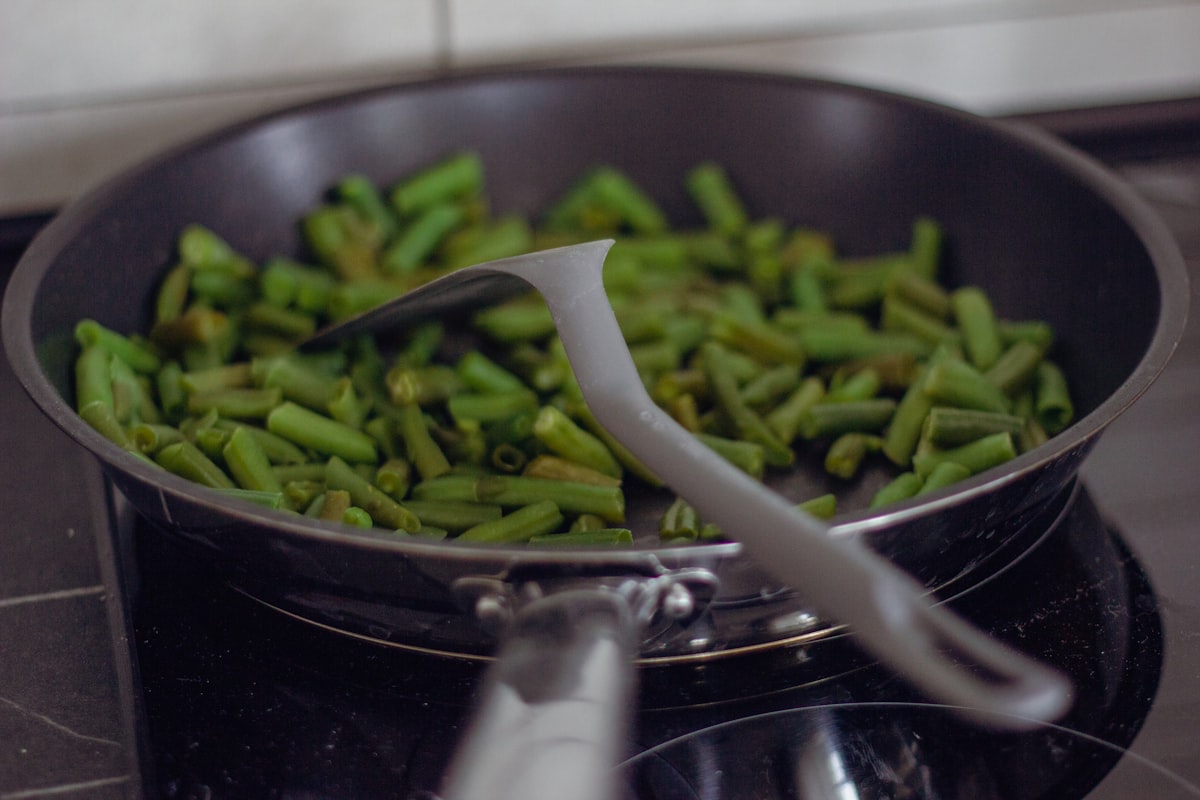
Learn the fundamental cooking methods that appear in countless recipes: proper sautéing, roasting at correct temperatures, simmering for depth of flavor, and steaming for nutrient preservation. These techniques form the backbone of all dinner preparation.
Build Flavor Intentionally
Discover how to layer flavors through proper seasoning, acid balance, and texture contrast. Learn why fresh herbs, citrus, and layered spices create complexity that keeps dinners exciting and delicious without relying on processed ingredients.
Create Balanced Plates
Understand how to compose dinners with proper proportions of vegetables, whole grains or legumes, and quality protein. Learn the principles of meal balance that create satisfaction and sustained energy through the evening.
Stories From Our Community
Real experiences from people who have transformed their dinner routines and discovered the joy of cooking with intention and skill.
"I used to rely on takeout three nights a week because I felt lost in the kitchen. After exploring these resources, I've discovered that cooking is actually a skill I can develop. Now my family gathers around dinners I've prepared, and I feel genuinely proud of what I'm creating. The techniques make so much sense once they're explained clearly."
Marina Weber
Berlin
"As someone who cares deeply about nutrition, I was frustrated by vague advice. This community focuses on actual cooking skills and real ingredients. I've learned why certain techniques preserve nutrients better than others, and I can explain to my children what we're eating and why. That's worth everything."
Klaus Hoffmann
Munich
"I'm busy with work and three kids, so I thought healthy dinners meant hours of prep. Everything changed when I learned how to properly roast vegetables and time proteins correctly. Now I can have dinner ready in 35 minutes, and everyone is happier because the food actually tastes good. Finally, something practical."
Sophia Schmidt
Hamburg
Essential Cooking Skills You'll Master
Develop practical expertise in the foundational techniques that transform basic ingredients into nourishing, delicious dinners.
Heat Management and Temperature Control
Understand how different heat levels affect cooking outcomes. Learn when to use high-heat searing for crust development, medium heat for even cooking, and low heat for gentle simmering. Proper temperature control is the foundation of consistent, delicious results.
Vegetable Preparation and Selection
Discover how to choose vegetables at peak ripeness, understand storage methods, and master knife skills for efficient prep. Learn which vegetables shine with different cooking methods and how to preserve both flavor and nutritional value through proper handling.
Sauce Building and Flavor Layering
Learn classical techniques for creating sauces from pan drippings, aromatics, and stock. Understand how to layer flavors through proper sequencing of ingredients and how to balance salt, acid, fat, and heat for complex, satisfying dinners.
Protein Cooking and Doneness Testing
Master the art of cooking lean proteins to proper doneness without drying them out. Learn visual cues, tactile feedback, and temperature guidelines for fish, chicken, and plant-based proteins. Understand carryover cooking and rest periods for optimal texture.
Common Questions About Healthy Dinner Preparation
Find clear answers to frequently asked questions about cooking techniques, ingredient selection, and building sustainable dinner habits.
How do I know if I'm cooking vegetables properly?
Properly cooked vegetables should be tender enough to cut easily with a fork, but still hold their shape and have vibrant color. The timing depends on the vegetable size and type — smaller pieces cook faster than large chunks. Practice with one vegetable at a time to develop intuition. Taste frequently as you cook to understand how texture changes with time. Most roasted vegetables are done when the cut sides develop light browning.
What's the difference between sautéing and stir-frying?
Sautéing uses medium heat and involves cooking ingredients in stages, building flavor gradually with proper browning. Stir-frying requires very high heat and constant movement, cooking quickly to maintain crisp textures and bright colors. Sautéing is better for building depth in sauces and tenderizing vegetables. Stir-frying preserves crispness and works well for quick weeknight dinners. Both require proper pan temperature before adding ingredients.
How do I balance a dinner plate nutritionally?
A balanced dinner plate typically contains one-half vegetables and leafy greens, one-quarter whole grains or legumes, and one-quarter protein. This proportions creates natural satiation through fiber and protein while providing micronutrients from vegetables. The visual balance also guides portion sizes naturally without strict measuring. Vary your vegetables by season and color to ensure diverse nutrient intake throughout the week.
What's the best way to season food without using excess salt?
Build flavor through layering: taste your food at multiple stages of cooking and adjust seasonings gradually. Use acidic ingredients like lemon juice or vinegar to brighten flavors — they enhance perception of taste without salt. Toast spices before using them to develop their full potential. Fresh herbs added at the end provide brightness. Quality ingredients need less seasoning. A small amount of salt added early in cooking develops flavor more efficiently than adding it at the end.
How can I meal prep without dinners becoming boring?
Prepare components separately rather than finished meals. Cook grains, roast vegetables, and prepare proteins, then combine them differently each evening. This approach maintains freshness and allows you to adapt to how you're feeling. Store components in clear containers so you remember what's available. Prepare sauces and dressings fresh for the week to preserve flavor. This modular approach takes the same prep time but creates variety and prevents fatigue.
What tools are actually essential for home cooking?
Start with a sharp chef's knife, a cutting board, a heavy-bottomed pot, and a skillet with a lid. Add measuring spoons and cups, a wooden spoon, and a colander. As you develop interests, add specialized tools for specific techniques. Quality matters more than quantity — a good knife and heavy pan are investments that last years. Don't accumulate gadgets that perform single tasks. Master fundamentals with basic equipment before expanding your toolkit.
Start Your Healthy Cooking Adventure Today
Join our editorial community and discover articles, recipes, and techniques that transform how you approach dinner preparation. Whether you're starting from the basics or refining advanced skills, we're here to support your culinary journey through clear, practical guidance.
Located in Leipzig, Germany | Contact our editorial team at [email protected]